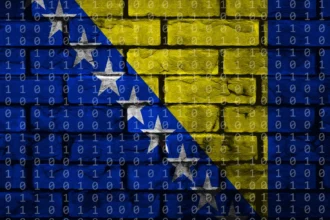
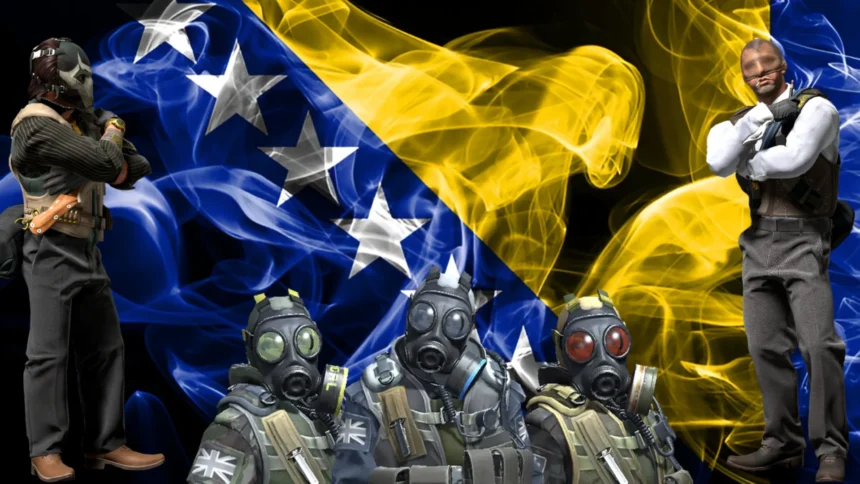
The esports scene in Bosnia and Herzegovina is rapidly gaining momentum, fueled by passionate gamers, dedicated organizations, and a growing global interest in competitive gaming. While the country may not yet be a household name in the international esports arena, its local community is making significant strides. From grassroots tournaments to professional teams, Bosnia and Herzegovina is proving that it has the potential to compete on the global stage. This article delves into the evolution of esports in the country, its current landscape, and what the future holds for this exciting industry.

Key Takeaways:
What is Esports?
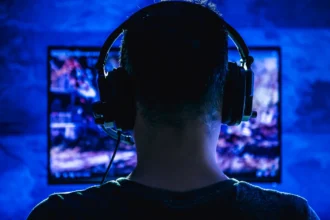
Esports, short for electronic sports, refers to competitive video gaming where individuals or teams compete against each other in organized tournaments. These events often feature popular games like Counter-Strike: Global Offensive (now CS2), League of Legends, Dota 2, and FIFA, among others. What sets esports apart from casual gaming is its structured, professional nature, complete with teams, coaches, sponsors, and even dedicated arenas. Much like traditional sports, esports requires skill, strategy, teamwork, and hours of practice to excel. Over the past two decades, esports has grown from a niche hobby into a global phenomenon, attracting millions of viewers, generating billions in revenue, and even being considered for inclusion in the Olympics.
A Brief History of Esports
The roots of esports can be traced back to the 1970s and 1980s, when early video game competitions like the Space Invaders Championship in 1980 drew thousands of participants. However, it wasn’t until the late 1990s and early 2000s that esports began to take shape as we know it today. The rise of PC gaming and the internet paved the way for multiplayer games like StarCraft, Quake, and Counter-Strike, which became the foundation of competitive gaming. South Korea played a pivotal role in popularizing esports during this period, hosting televised tournaments and establishing professional leagues.
In the 2010s, esports exploded onto the global stage, thanks to the advent of streaming platforms like Twitch and YouTube, which allowed fans to watch tournaments in real-time. Major events like The International for Dota 2 and the League of Legends World Championship began offering multi-million-dollar prize pools, attracting top talent and massive audiences. Today, esports is a billion-dollar industry, with professional players, teams, and organizations operating on a global scale.
The Evolution of Esports in Bosnia and Herzegovina
The esports scene in Bosnia and Herzegovina has come a long way since its humble beginnings. In the early 2000s, gaming was primarily a recreational activity, with small groups of friends gathering in internet cafes to play popular titles like Counter-Strike 1.6 and Warcraft III. These informal gatherings laid the foundation for what would eventually become a thriving esports community. Over the years, the rise of high-speed internet, affordable gaming equipment, and global esports popularity has transformed gaming from a casual hobby into a competitive sport in the country.
One of the key milestones in the development of Bosnia and Herzegovina’s esports scene has been the establishment of national organizations and structured competitions. The eSports Association of Bosnia and Herzegovina plays a crucial role in organizing national tournaments and supporting professional gaming. Several events, such as regional LAN tournaments and independent esports leagues, have emerged over the years but often lasted only a year or two before disappearing due to funding and organizational challenges. Despite this, Bosnian gamers continue to compete in international events, and streaming platforms like Twitch and YouTube have given them a global audience, helping to keep the esports community alive.
Popular Games, Communities and Players
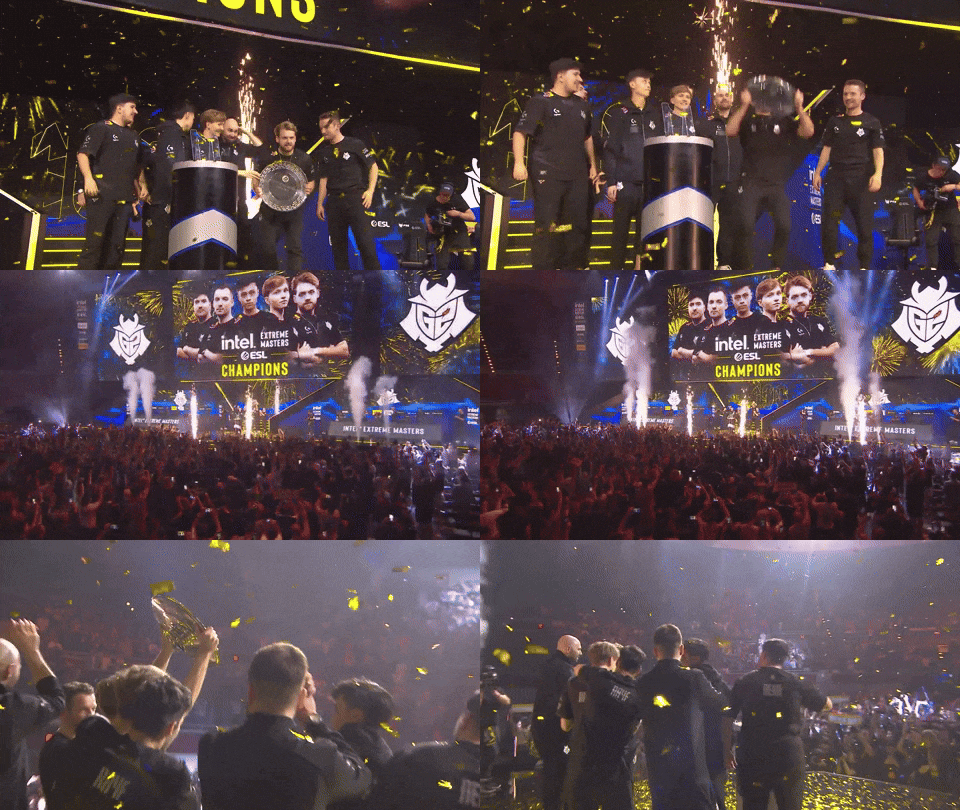
The esports landscape in Bosnia and Herzegovina is vibrant, with several key titles capturing the attention of both players and fans. Counter-Strike: 2 after CS:GO stands out as the most prominent game, boasting a strong local player base and significant international achievements. Notably, Bosnian players have amassed over $2 million in CS:GO and now CS2 tournament earnings, accounting for approximately 59% of the country’s total esports winnings. Leading this success is Nikola “NiKo” Kovač, hailing from Brčko, who has earned more than $1.6 million in prize money, making him the nation’s top-earning esports athlete.
Other popular titles include Fortnite, with Bosnian players earning over $546,000, and Dota 2, contributing more than $97,000 to the national esports earnings.
Challenges Facing the Esports Scene
Despite its growth, the esports scene in Bosnia and Herzegovina faces several challenges. One of the most significant obstacles is the lack of funding and sponsorship opportunities. Unlike more established esports markets, Bosnian teams and organizations often struggle to secure financial support, making it difficult to invest in training, equipment, and travel expenses for international competitions.
Another issue is the limited infrastructure for esports. While major cities like Sarajevo, Banja Luka, Tuzla, Zenica and Mostar have seen the emergence of gaming hubs and internet cafes, smaller towns and rural areas often lack access to high-quality gaming facilities. This disparity can hinder the development of talent outside urban centers.
Additionally, the perception of gaming as a career remains a work in progress. Many parents and educators still view gaming as a distraction rather than a viable profession, which can discourage young players from pursuing esports seriously. However, initiatives like educational workshops, esports scholarships, and media coverage are slowly changing this narrative, highlighting the potential for success in the industry.
The Role of Community and Grassroots Initiatives
One of the driving forces behind the growth of esports in Bosnia and Herzegovina is the passionate and tightly-knit gaming community. Unlike larger esports markets that rely heavily on corporate sponsorships and institutional support, the Bosnian esports scene thrives on grassroots initiatives. Local gaming clubs, online communities, and social media groups play a crucial role in organizing events, sharing resources, and fostering a sense of belonging among gamers.
For example, organizations like eSports Association Bosnia and Herzegovina (eSBiH) have been instrumental in promoting esports at the national level. They organize tournaments, provide training opportunities, and advocate for the recognition of esports as a legitimate sport. Similarly, gaming cafes and hubs in cities like Sarajevo, Banja Luka, and Mostar serve as gathering spots for players to practice, compete, and connect with like-minded individuals. These community-driven efforts have created a supportive environment for aspiring gamers to hone their skills and pursue their passion.
The Impact of Esports on Youth and Society
Esports is more than just a form of entertainment in Bosnia and Herzegovina; it’s a cultural phenomenon that is shaping the lives of young people. For many, gaming provides an escape from the challenges of everyday life and a platform to express themselves creatively. It also teaches valuable skills such as teamwork, problem-solving, and strategic thinking, which are transferable to other areas of life.
Moreover, esports has the potential to bridge social and cultural divides in a country with a complex history. Gaming transcends ethnic, religious, and political boundaries, bringing people together through a shared love of competition and technology. This unifying aspect of esports is particularly significant in Bosnia and Herzegovina, where it fosters collaboration and mutual respect among diverse communities.
The Future of Esports in Bosnia and Herzegovina
The future of esports in Bosnia and Herzegovina looks promising, with several trends pointing toward continued growth and development. One of the most exciting prospects is the increasing involvement of educational institutions. Universities and schools are beginning to recognize the value of esports, offering scholarships, hosting tournaments, and even incorporating gaming into their curricula. This shift not only legitimizes esports as a career path but also provides young people with the resources they need to succeed.
Another positive development is the growing interest from international esports organizations and sponsors. As Bosnia and Herzegovina’s talent pool continues to expand, there is a real opportunity for local players and teams to attract global attention. Partnerships with established esports entities could bring much-needed funding, infrastructure, and exposure to the country’s gaming scene.
Additionally, the rise of mobile gaming and cloud-based platforms is making esports more accessible than ever. With smartphones and affordable internet, gamers in rural areas can now participate in online tournaments and connect with the broader community. This democratization of esports has the potential to unlock a new wave of talent and innovation in Bosnia and Herzegovina.
Conclusion
The esports scene in Bosnia and Herzegovina is a testament to the power of passion, perseverance, and community. Despite facing challenges such as limited funding, infrastructure gaps, and societal misconceptions, the country’s gamers have managed to carve out a niche in the global esports arena. From grassroots tournaments to rising stars, Bosnia and Herzegovina is proving that it has what it takes to compete on the international stage.
As the industry continues to evolve, the future looks bright for Bosnian esports. With increased support from educational institutions, sponsors, and the global gaming community, the country has the potential to become a regional hub for esports talent and innovation. For young gamers in Bosnia and Herzegovina, esports is not just a game—it’s a pathway to opportunity, connection, and success.
Whether you’re a seasoned gamer, a curious observer, or someone looking to support the next generation of talent, now is the time to get involved in Bosnia and Herzegovina’s esports journey. Follow local tournaments, cheer for Bosnian teams, and join the growing community of gamers who are putting their country on the esports map. The game is just beginning, and the best is yet to come.