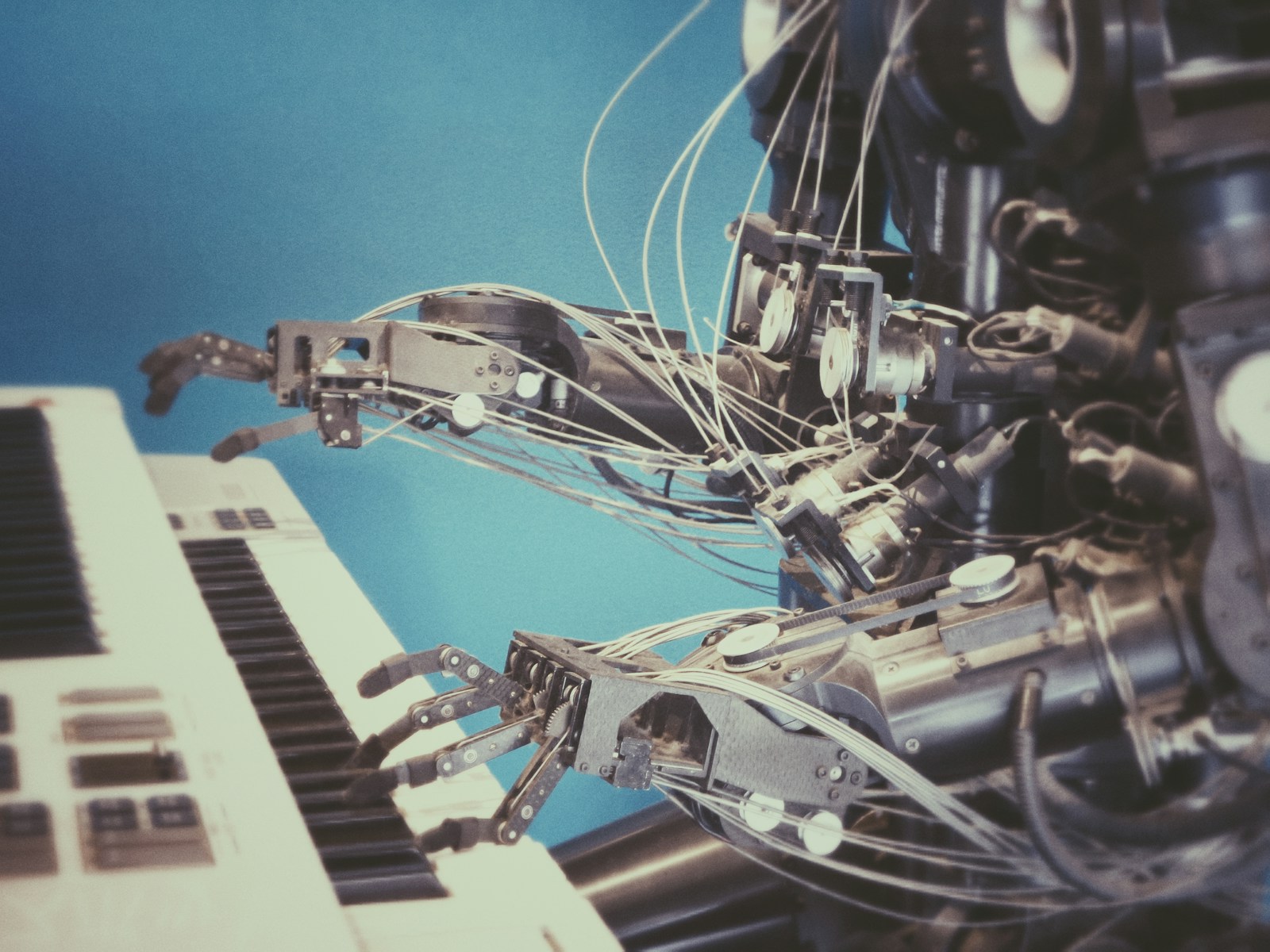


As we stand on the brink of a new technological era, the concept of Artificial Intelligence (AI) is becoming increasingly central to our discussions about the future. AI, which simulates human intelligence processes, is not just a buzzword; it’s a force that is reshaping industries and transforming our daily lives. From Autonomous vehicles that promise safer roads to AI-integrated medical diagnostics that can detect diseases earlier, the applications of AI are vast and varied. However, with great power comes great responsibility, and the ethics about using AI remains a critical topic.
- Concepts and fundamentals of artificial intelligence
- A brief history of artificial intelligence
- How Does Artificial Intelligence Work?
- How AI Learns and Adapts Through Machine Learning
- Understanding How Neural Networks Power AI
- How Deep Learning is Enhancing AI Capabilities
- AI in Everyday Life
- The Rise of AI-Powered Virtual Assistants
- How AI is Driving the Future of the Automotive Industry
- Transforming the Financial Sector with AI
- AI’s Role in Smart Farming
- The biggest challenges facing artificial intelligence
- The Growing Concern of Data Security in AI
- Why Transparency is Crucial for Ethical AI Development
- The Impact of AI on Jobs: Automation vs. Opportunity
- The latest trends in AI development
- Merging AI with Robotics for Smarter Automation
- How AI Generates Content, Art, and Innovation
- How AI is Tackling Climate Change and Optimizing Resources
- Perspectives and predictions for the future of AI
- How AI-Powered Vehicles Will Reduce Traffic and Emissions
- Balancing Innovation with Responsible AI Governance
- How Quantum Computing Will Revolutionize AI Capabilities
- How AI is Transforming Education Through Adaptive Learning
- AI in Bosnia and Herzegovina – Where do we stand?
- How can you leverage AI in your industry?

In this article, we’ll explore how AI is changing the world, the latest trends, and what the future might hold for this revolutionary technology, while also examining its presence in Bosnia and Herzegovina, where limited media coverage and transparency raise questions about its true adoption and impact.
Concepts and fundamentals of artificial intelligence

Before we delve into the complexities, it’s important to grasp the basic concepts and definitions that form the foundation of artificial intelligence (AI). At its core, artificial intelligence (AI) is a branch of computer science that focuses on creating systems capable of performing tasks that typically require human intelligence. These tasks include learning, reasoning, problem-solving, perception, and language understanding.
One of the most significant aspects of AI is its ability to simulate human-like capabilities. For instance, AI can be programmed to learn from data, recognize patterns, and make decisions based on that learning. This capability is particularly useful in various industries, where AI is employed to automate routine tasks and improve efficiency. A common example is the use of chatbots in customer support. These chatbots can handle a wide range of inquiries, from simple FAQs to more complex issues, providing timely and accurate responses without the need for human intervention.
The field of AI is vast and encompasses several subfields, with machine learning being one of the most prominent. Machine learning involves algorithms that enable AI systems to improve their performance over time by learning from data. This process is similar to how humans learn from experience, allowing AI to become more accurate and efficient as it processes more information. For example, a recommendation system in an e-commerce platform can become better at suggesting products to users as it gathers more data on their preferences and behaviors.
Another advanced subfield of AI is deep learning, which uses artificial neural networks to perform complex tasks. These neural networks are designed to mimic the structure and function of the human brain, enabling them to handle intricate and data-intensive tasks such as image and speech recognition. Deep learning has revolutionized various applications, from voice assistants that can understand and respond to natural language commands to autonomous vehicles that can navigate through complex environments.
In addition to these technical advancements, AI is increasingly being integrated with the Internet of Things (IoT) to create smarter, more connected systems. AI can be found in a variety of IoT devices, from smart home appliances that learn your habits to optimize energy usage to city infrastructure that uses data to improve traffic flow and public safety. This integration is leading to the development of smart cities and homes, where devices and systems work together seamlessly to enhance the quality of life for residents.
A brief history of artificial intelligence
The journey of artificial intelligence is a tale of relentless pursuit, marked by significant milestones and unexpected twists, dating back to the mid-20th century. The concept of machines that could think and learn like humans began to take shape in the 1950s, with pioneers like Alan Turing laying the foundational theories. Turing’s famous Turing Test, proposed in 1950, set a benchmark for determining a machine’s ability to exhibit intelligent behavior indistinguishable from that of a human. This period also saw the first AI conference at Dartmouth College in 1956, where the term “artificial intelligence” was coined, solidifying the field’s identity and direction.
As the 1960s and 1970s rolled in, the practical applications of AI began to emerge. The development of the first chatbots, such as ELIZA in 1966, and early machine translation systems like the Georgetown-IBM experiment, opened new avenues for research and application. These early systems, though rudimentary, demonstrated the potential of artificial intelligence in natural language processing and interaction, sparking both excitement and skepticism in the scientific community.
The 1980s and 1990s brought a renewed surge of interest in AI, driven by advancements in machine learning and neural networks. This period saw the development of more sophisticated algorithms and models, capable of learning from data and improving over time. The introduction of backpropagation and the rise of expert systems further propelled the field forward, making AI more accessible and applicable to a broader range of problems. Despite these advances, the limitations of computational power and data availability still posed significant challenges.
The turn of the millennium marked a turning point in the history of AI. The 2000s witnessed significant progress in natural language processing and facial recognition, thanks to the availability of large datasets and more powerful computing resources. Systems like IBM’s Watson, which famously won Jeopardy! in 2011, demonstrated the potential of AI in complex, real-world tasks. This era also saw the development of more advanced chatbots and virtual assistants, which began to integrate into consumer technology.
Entering the 2010s, the advent of big data and cloud computing elevated AI to new heights. The ability to process and analyze vast amounts of data in real-time enabled more sophisticated and accurate AI models. Deep learning, a subset of machine learning, became the driving force behind breakthroughs in image and speech recognition, autonomous vehicles, and personalized recommendation systems. The integration of AI into everyday technology, from smartphones to smart homes, has made it an indispensable part of modern life.
How Does Artificial Intelligence Work?
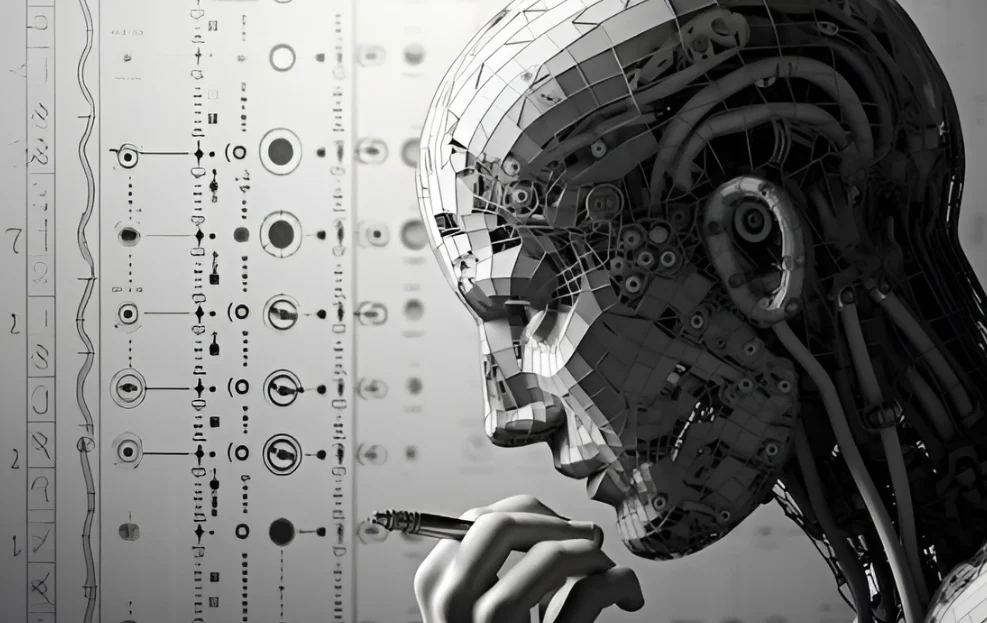
Understanding how AI operates is not just a matter of technical curiosity; it’s a key to unlocking its vast potential in various fields. At its core, artificial intelligence relies on sophisticated algorithms that can learn from and make decisions based on data. One of the most common and recognizable examples of this is the recommendation system used by Netflix. By analyzing vast amounts of user data, the algorithm can predict and suggest movies or shows that a user is likely to enjoy, enhancing the user experience and keeping viewers engaged.
How AI Learns and Adapts Through Machine Learning
A significant component of AI’s learning capability is machine learning. This approach enables AI systems to improve their performance over time without being explicitly programmed to do so. A prime example of this is the development of self-driving cars. These vehicles use machine learning to analyze real-world driving scenarios, adjust their behavior, and become more efficient and safer with each mile driven. This continuous improvement is a hallmark of AI and underscores its potential to revolutionize industries from transportation to healthcare.
Understanding How Neural Networks Power AI
Another critical aspect of AI is the use of neural networks. These networks are designed to mimic the structure and function of the human brain, allowing them to handle complex tasks such as speech recognition and natural language processing. For instance, voice-activated assistants like Siri and Alexa rely on neural networks to understand and respond to user commands accurately. This technology is not only impressive but also increasingly integrated into our daily lives, making interactions with technology more intuitive and seamless.
How Deep Learning is Enhancing AI Capabilities
Building on the foundation of neural networks, the field of deep learning has emerged as a powerful tool for enhancing AI’s capabilities. Deep learning involves multiple layers of neural networks, each layer adding a level of abstraction to the data it processes. This multi-layered approach allows AI to achieve remarkable precision in tasks such as medical diagnosis. For example, AI systems can analyze medical images to detect early signs of diseases like cancer, often with greater accuracy than human doctors. The ability to provide such precise and reliable results is transforming the healthcare industry and saving lives.
AI in Everyday Life
From our smartphones to our cars, artificial intelligence has seamlessly integrated into our daily lives, often without us even realizing it. One of the most transformative areas where AI has made a significant impact is in the field of medicine. AI algorithms are now used to assist in diagnosing diseases with greater precision. For instance, machine learning models can analyze medical images, such as X-rays and MRIs, to detect early signs of conditions like cancer or neurological disorders. This not only speeds up the diagnostic process but also increases the accuracy, leading to better patient outcomes and more personalized treatment plans.
The Rise of AI-Powered Virtual Assistants
Intelligent assistants, such as Siri, Google Assistant, and Alexa, have become an integral part of our daily routines. These AI-driven tools help us manage our calendars, set reminders, and even control smart home devices. They enhance communication by providing instant responses and performing tasks that would otherwise require manual effort. For example, voice-activated commands can turn off lights, adjust the thermostat, or lock doors, making our homes more convenient and secure.
How AI is Driving the Future of the Automotive Industry
In the automotive industry, autonomous vehicles are revolutionizing the way we think about transportation. These vehicles use a combination of sensors, cameras, and AI algorithms to navigate roads safely and efficiently. They have the potential to significantly reduce the number of accidents caused by human error, making driving safer for everyone. Additionally, autonomous vehicles can optimize routes and reduce fuel consumption, contributing to a more sustainable future.
Transforming the Financial Sector with AI
AI is also making waves in the financial sector, where it is used to provide personalized financial advice and optimize investment strategies. Financial institutions are leveraging AI to analyze vast amounts of data, identify market trends, and offer tailored recommendations to their clients. This not only helps individuals make more informed financial decisions but also allows for more efficient portfolio management and risk assessment.
AI’s Role in Smart Farming
In the agricultural sector, AI is being used to improve crop yields and reduce waste. Agritech companies are employing AI to monitor soil conditions, weather patterns, and plant health, allowing farmers to make data-driven decisions. For example, AI-driven drones can survey fields and detect areas that need more water or fertilizer, optimizing resource use and increasing productivity. This technology is crucial in addressing the global challenge of food security and ensuring that agricultural practices are sustainable.
The biggest challenges facing artificial intelligence
Despite its remarkable advancements, AI faces several significant challenges that must be addressed to ensure its responsible and beneficial development. One of the most pressing issues is the ethics of AI. As AI systems become more integrated into our daily lives, there is a growing concern about how these technologies might infringe on human rights. The potential for AI to make decisions that affect people’s lives without proper oversight is a significant ethical dilemma. For instance, AI algorithms used in hiring processes or loan approvals must be designed to avoid bias and discrimination. Ensuring that AI systems respect and protect human rights is crucial for maintaining public trust and preventing misuse.
The Growing Concern of Data Security in AI
Another critical challenge is the data security. AI systems often rely on vast amounts of data to function effectively, making them attractive targets for cybercriminals. A breach in an AI system can have severe consequences, from the theft of personal information to the manipulation of critical infrastructure. Therefore, robust security measures must be implemented to protect data and prevent unauthorized access. This includes not only technical safeguards but also legal and regulatory frameworks to hold organizations accountable for data breaches.
Why Transparency is Crucial for Ethical AI Development
Transparency is another significant issue in the realm of AI. The complexity of artificial intelligence often makes it difficult to understand how these systems arrive at their decisions. This lack of transparency, often referred to as the “black box” problem, can lead to mistrust and skepticism. For AI to be widely accepted and used, it is essential to develop methods that make AI decisions more interpretable and explainable. This could involve creating more transparent algorithms or implementing systems that provide clear explanations for AI-generated outcomes.
The Impact of AI on Jobs: Automation vs. Opportunity
Finally, the impact of AI on employment is a major concern. While AI has the potential to create new jobs and increase productivity, it also poses a risk of displacing workers in various industries. The automation of routine tasks could lead to job losses, particularly in sectors such as manufacturing, retail, and customer service. Addressing this challenge requires a multifaceted approach, including retraining programs for displaced workers, policies to support job creation in new sectors, and a broader discussion about the role of technology in the labor market. Ensuring that the benefits of AI are shared equitably and that no one is left behind is crucial for a just and inclusive future.
The latest trends in AI development

The landscape of AI is constantly evolving, with new trends and innovations pushing the boundaries of what we thought possible. One of the most significant areas of advancement is in medical diagnostics. AI is revolutionizing the way diseases are detected and diagnosed. AI-integrated systems can analyze vast amounts of medical data, including imaging scans, genetic information, and patient histories, to identify patterns and anomalies that might be missed by human doctors. This not only increases the accuracy of diagnoses but also speeds up the process, allowing for earlier intervention and better patient outcomes.
Merging AI with Robotics for Smarter Automation
Another area where AI is making waves is in robotics. The development of advanced algorithms and machine learning techniques is enabling robots to perform increasingly complex tasks. From manufacturing and logistics to healthcare and domestic settings, robots equipped with AI are becoming more autonomous and adaptable. They can learn from their environments, make decisions in real-time, and even improve their performance over time. This trend is not only enhancing efficiency and productivity but also opening up new possibilities for industries that rely on precise and repetitive tasks.
How AI Generates Content, Art, and Innovation
Generative AI models are also gaining traction, particularly in creative fields such as art, music, and writing. These models can produce content that is often indistinguishable from that created by humans. For instance, AI-generated art has been showcased in galleries, and AI-composed music is finding its way into films and advertisements. This capability is not just a novelty; it has the potential to democratize creativity and provide new tools for artists and content creators. The ability of generative AI to create high-quality, original content is a testament to the power and versatility of the latest trends in AI.
How AI is Tackling Climate Change and Optimizing Resources
Moreover, the application of AI in promoting sustainable development and environmental conservation is a growing trend. AI can analyze large datasets to predict and mitigate the impact of climate change, optimize energy consumption, and manage natural resources more efficiently. For example, AI-powered systems can monitor and manage water usage in agriculture, reducing waste and ensuring that resources are used more sustainably. This aligns with global efforts to achieve the United Nations’ Sustainable Development Goals, making AI a valuable ally in the fight against environmental challenges.
Perspectives and predictions for the future of AI
Looking ahead, the future of AI holds both exciting possibilities and critical questions that will shape the course of technology and society. One of the most promising areas is healthcare, where AI is poised to revolutionize the field through personalized medicine and predictive diagnostics. By analyzing vast amounts of patient data, AI systems can tailor treatments to individual genetic profiles, leading to more effective and targeted therapies. Moreover, predictive diagnostics powered by AI can identify early signs of diseases, enabling timely interventions and improving patient outcomes.
How AI-Powered Vehicles Will Reduce Traffic and Emissions
In urban environments, autonomous vehicles are set to transform daily life, reducing traffic congestion and lowering emissions. These vehicles, equipped with advanced AI algorithms, can navigate complex cityscapes with precision, enhancing safety and efficiency. The widespread adoption of autonomous vehicles could also lead to a reduction in the need for personal car ownership, freeing up urban spaces and reducing the environmental impact of transportation. As cities become smarter, the integration of AI in traffic management systems will further optimize the flow of vehicles and pedestrians, creating more livable and sustainable urban environments.
Balancing Innovation with Responsible AI Governance
Ethical considerations and regulatory frameworks will play a crucial role in guiding the responsible development of AI. As AI systems become more pervasive, ensuring they are used ethically and transparently will be paramount. Governments and organizations are already beginning to establish guidelines and regulations to address issues such as bias, privacy, and accountability. These efforts will help build public trust and ensure that the benefits of AI are realized while minimizing potential risks.
How Quantum Computing Will Revolutionize AI Capabilities
Advancements in quantum computing are poised to accelerate AI capabilities, opening up new possibilities for solving complex problems. Quantum computers, with their ability to process vast amounts of data and perform calculations at unprecedented speeds, could significantly enhance the performance of AI algorithms. This could lead to breakthroughs in fields such as drug discovery, climate modeling, and materials science, where traditional computing methods are limited by their processing power.
How AI is Transforming Education Through Adaptive Learning
In the realm of education, AI is set to transform the learning experience by tailoring educational content to individual students’ needs. Adaptive learning systems can identify each student’s strengths and weaknesses, providing personalized recommendations and resources to enhance learning outcomes. This personalized approach can help close achievement gaps and ensure that every student receives the support they need to succeed. As AI continues to evolve, it will play an increasingly important role in shaping the future of education, making learning more accessible and effective for all.
AI in Bosnia and Herzegovina – Where do we stand?

Artificial intelligence (AI) in Bosnia and Herzegovina is still in its early stages, with limited public discourse and understanding of its real impact. While AI is revolutionizing industries worldwide, in Bosnia, there is little transparency regarding its use, development, or regulation. The lack of mainstream media coverage makes it difficult to determine whether private companies, government institutions, or even individuals are integrating AI into their operations. Unlike in more developed economies, where AI is openly discussed and analyzed, in Bosnia, it largely remains an unknown factor, raising concerns about potential unregulated and unethical use.
One of the few known applications of AI in the country comes from media organizations attempting to combat hate speech and discrimination in online spaces. Some major news portals have experimented with AI-driven moderation tools in forums and comment sections to filter out harmful content. However, the effectiveness of these systems remains questionable. Due to the complexity of language, cultural nuances, and the highly politicized environment in Bosnia, AI often fails to accurately identify problematic speech while, at the same time, censoring legitimate discussions. This has led to frustration among users who see the system as either too restrictive or completely ineffective.
Behind the hype surrounding AI, the reality in Bosnia is much different—many organizations lack the infrastructure, expertise, and financial resources to implement AI in a meaningful way. While global trends push for AI-driven automation, analytics, and business intelligence, local companies and institutions struggle with basic digitalization. The few AI initiatives that do exist are often poorly executed, serving more as a marketing buzzword than a real technological advancement. Without clear strategies, investment, and proper regulation, AI in Bosnia risks being just another underdeveloped technology with little tangible impact.
If Bosnia and Herzegovina wants to keep up with global AI trends, there needs to be a more structured approach to its adoption. Transparency, public discussions, and media engagement are crucial in ensuring that AI is not used irresponsibly or in ways that violate privacy rights. At the same time, better implementation strategies must be developed to ensure AI-driven moderation tools actually improve online discourse rather than hinder it. Without these steps, Bosnia’s AI landscape will remain underdeveloped, misunderstood, and ultimately ineffective in addressing real-world challenges.
How can you leverage AI in your industry?
Whether you’re in healthcare, finance, or manufacturing, discovering how AI can be leveraged in your industry is the first step toward innovation and growth. The advancements in artificial intelligence have opened up a plethora of opportunities that can transform the way businesses operate, making processes more efficient and personalized.
In the marketing sector, AI is revolutionizing the way companies engage with their customers. By analyzing vast amounts of data, AI algorithms can provide personalized recommendations that are tailored to individual preferences, leading to more effective marketing campaigns. This not only enhances customer satisfaction but also drives higher conversion rates. Additionally, AI’s ability to predict market trends can give businesses a competitive edge, allowing them to stay ahead of the curve and adapt to changing consumer behaviors.
The healthcare industry is another domain where AI is making significant strides. AI-powered tools are being used to improve diagnostic accuracy and develop personalized treatments that are tailored to individual patients. Machine learning algorithms can analyze medical records, imaging data, and genetic information to identify patterns that human practitioners might miss. This not only leads to more precise diagnoses but also enables the development of treatment plans that are highly customized to each patient’s needs.
In the manufacturing sector, AI is driving a new wave of automation that is transforming production processes. By integrating AI into manufacturing systems, companies can automate repetitive tasks, reduce errors, and increase overall efficiency. Predictive maintenance, powered by AI, can also help prevent equipment failures by identifying potential issues before they become critical, thereby saving time and reducing costs.
Financial institutions are also reaping the benefits of AI. AI algorithms can detect fraudulent activities with greater accuracy and speed, helping to protect both the institution and its customers. Moreover, AI can provide personalized financial advice to clients, offering tailored investment strategies and financial planning advice that aligns with their goals and risk tolerance.
In the education sector, AI is being used to create more personalized and effective learning experiences. Adaptive learning platforms use AI to adjust the content and pace of instruction based on the individual needs and progress of each student. This not only enhances the learning experience but also helps educators identify areas where students may need additional support.
As we look to the future of artificial intelligence, it’s clear that the potential for AI to drive innovation and growth across industries is immense. By embracing these technologies, businesses can not only stay competitive but also create a more sustainable and efficient future.